
|
 useful links
24 July 2026 Rotary GB&I Health & Safety Training Manual (Practical Edition) For Clubs, Event Leads, Volunteers and New Members Based on the Rotary GB&I Health & Safety Guidance March 2023 1. Purpose of This Manual This manual teaches Rotarians how to run safe, well‑managed events. It explains what your responsibilities are, how to assess and control risks, how to prevent accidents, and what to do when things go wrong. Rotary events should be enjoyable, professional, and safe for everyone including members, volunteers, and the public. 2. Core Principles of Rotary Safety 2.1 Safety is Everyones Responsibility Every club and district must ensure events are planned and run safely. Event organisers must identify hazards, reduce risks, communicate safety measures, and monitor conditions during the event. 2.2 Competence Matters Only competent people should operate equipment, supervise activities, carry out risk assessments, and lead teams. Competence means having the right knowledge, experience, and capability. 2.3 Duty of Care Rotarians must take reasonable steps to avoid causing harm. This applies to members, volunteers, contractors, and the public. If something is unsafe, you must act. 3. Understanding Key Safety Terms Accident: An unplanned event causing injury, illness, damage, or loss. Incident: An unplanned event that disrupts activity, whether or not harm occurs. Near Miss: An incident that could have caused harm. Near misses must be recorded because they help predict future accidents. Hazard: Anything with potential to cause harm. Risk: The likelihood of harm occurring combined with how severe the harm could be. Negligence: Failure to take reasonable care, resulting in harm or loss. Residual Risk: The small amount of risk left after controls are applied. Accident Book: Every club must keep one to record accidents, incidents, and near misses. 4. Risk Assessment Training Risk assessment is the foundation of Rotary event safety. 4.1 When You Must Do a Risk Assessment A risk assessment is required for every Rotary‑organised event including fairs, charity collections, sports events, public gatherings, and indoor meetings with equipment. If you support an event run by another organisation, ask for their risk assessment. 4.2 How to Carry Out a Risk Assessment Visit the site before the event. Identify hazards such as equipment, weather, people, or environmental factors. Evaluate risks by considering likelihood and severity. Decide controls such as removing hazards, reducing risks, isolating dangers, or supervising activities. Record findings and share them with the event team. Review the assessment after the event and update it for next time. 4.3 What Makes a Good Risk Assessment It should be concise, realistic, focused on significant risks, written in plain language, shared with all volunteers, and reviewed annually or after incidents. 5. Common Rotary Event Risks and How to Manage Them 5.1 Manual Handling Risks include back injuries, dropped items, burns, and strains. Controls include assessing weight before lifting, using team lifting, avoiding awkward shapes, wearing gloves and protective footwear, and avoiding repetitive lifting. 5.2 Slips, Trips and Falls Risks include wet floors, cables, and uneven ground. Controls include cleaning spills immediately, taping down cables, removing obstacles, improving lighting, and using signage for wet or uneven areas. 5.3 Working at Height Risks include falls and falling objects. Controls include avoiding height work where possible, using proper ladders or platforms, never overreaching, securing tools, checking equipment before use, and planning rescue procedures. 5.4 Fire Safety Risks include blocked exits, faulty electrics, and flammable materials. Controls include ensuring exits are clear, checking extinguishers are present, avoiding untested electrical equipment, briefing volunteers on fire procedures, and never introducing fuel‑based heaters indoors. 5.5 First Aid Requirements include having at least one trained first aider at small events, using external first aid providers for large events, keeping a basic first aid kit available, ensuring volunteers are aware of stroke and cardiac arrest signs, and knowing the nearest A&E location. 5.6 Driving and Vehicle Use Risks include injury, safeguarding issues, and insurance gaps. Controls include using suitable vehicles, checking insurance covers voluntary use, ensuring seat belts are worn, using booster seats for children, avoiding distractions such as mobile phones or eating, and complying with safeguarding rules. 5.7 Road Running and Cycling Events Risks include traffic, medical emergencies, and route hazards. Controls include planning and reviewing the route annually, ensuring emergency access, placing marshals at all risk points, providing first aid cover, and maintaining communication between marshals. 6. Event Safety Roles Event Organiser: Leads planning, ensures risk assessment is completed, briefs volunteers, and monitors safety during the event. Safety Officer or Compliance Lead: Advises on hazards, checks documentation, and ensures legal compliance. Volunteers: Follow instructions, report hazards, act responsibly, and support public safety. 7. Incident Response Training When something goes wrong, ensure immediate safety by stopping activity and removing hazards. Provide first aid if required. Record the incident in the Accident Book. Report serious incidents to Rotary GB&I insurance. Review what happened and update risk assessments. 8. Safety Culture at Rotary A safe event is well planned, well communicated, well supervised, and well reviewed. Rotarys reputation depends on professionalism and care. Safety is not bureaucracy; it is good event management. --- |
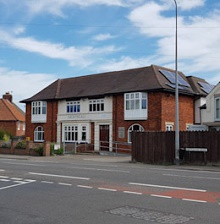 The club meets on Mondays at The Nightingale, 116 Nettleham Rd., Lincoln, LN2 1RR Maps available at multimap.com.  3 August 2024 Rotary District 1070’s Minor Sports competition more... 2 September 2024 Foodbank project more... 14 October 2024 Women's refuge project more... view all coming events... |
